Beyond the Gym: How Young Athletes Train Their Sleep and Nutrition
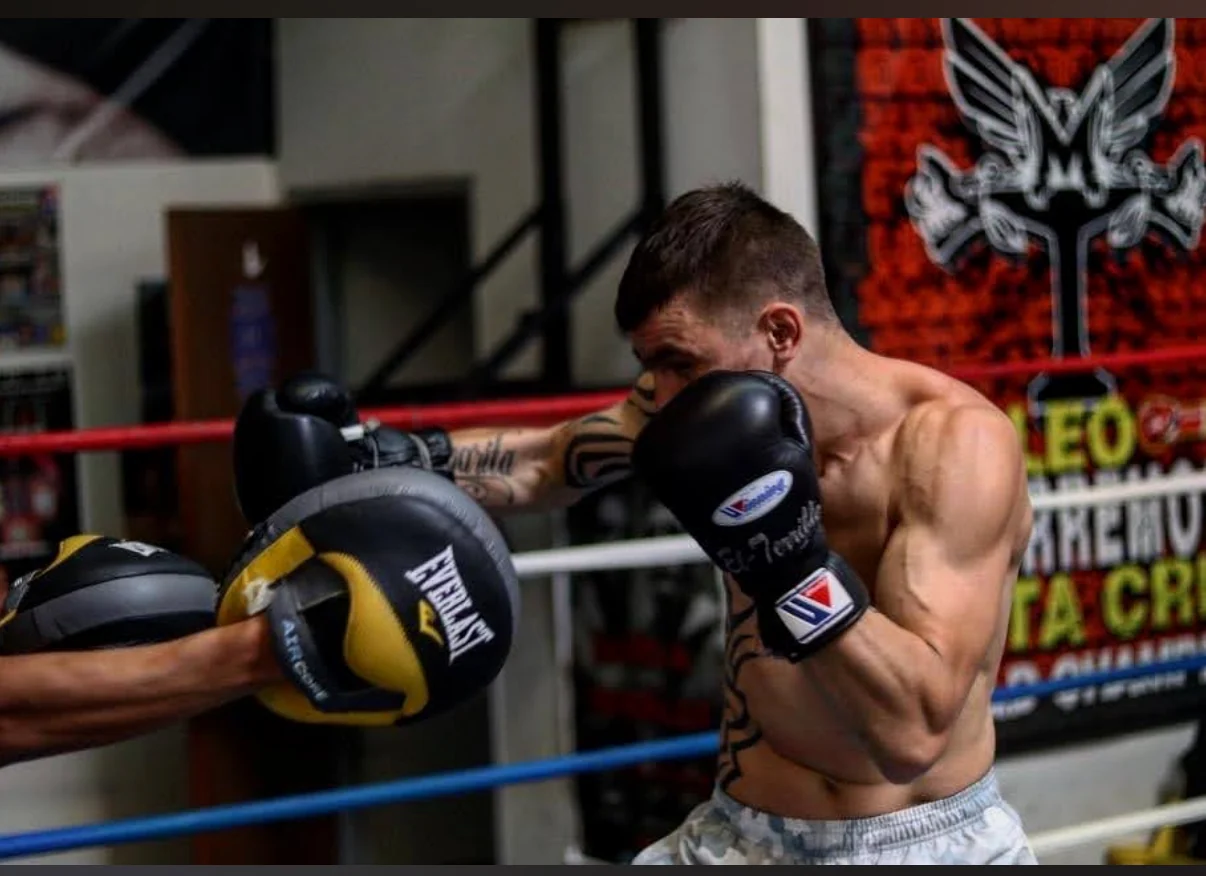
Ask a coach what has to change when a young athlete starts taking boxing seriously, and the answer is rarely only about punches. It is about sleep, food, hydration, and how they handle a hard day. The bag gives honest, immediate feedback, and that feedback can push a teenager to look at the rest of the day differently.
Food becomes fuel, not comfort
A hard conditioning session exposes weak habits quickly. Poor food choices, too much sugar, and not enough water can show up as low energy, poor focus, or sloppy technique. Young athletes feel that consequence directly, and they start to choose differently: steadier meals, enough protein, and water throughout the day. Food becomes part of preparation.
Sleep as a real training tool
In a culture that rewards staying up late, good coaching flips the script: recovery is part of training. Sleep supports muscle repair, focus, and learning. That is a practical reason to put the phone down earlier, not a lecture. Athletes who protect their sleep are usually easier to coach the next day because they can listen, repeat, and stay present.
Channeling frustration instead of suppressing it
Boxing gives frustration a controlled place to go. Instead of bringing it home, a young athlete can work through a round, listen to a coach, breathe, and come back to the next instruction. Over time that becomes a habit: stop, breathe, think, then respond. That lesson can matter outside the ring as much as it matters inside it.
These habits are at the heart of the youth work at the Equal Chance Boxing Foundation. The goal is not only better boxing. It is structure, self-respect, and a stronger daily routine.
Source: Community Spotlight: Families Behind the Equal Chance Boxing Foundation — Equal Chance Boxing Foundation.
Train with Ivan
Private coaching in Los Angeles for every level. Start with a free consultation.